
Industrial Air Filtration System Installation
Get dust, fume, and mist collection equipment installed around your facility’s process and operating requirements. At Air Quality Systems, we provide industrial air filtration system installation in Allen, Dallas, and across Texas.
From equipment selection and ductwork to installation and startup, we work with your team to bring the project into operation, with installation, operating, and maintenance cost estimates provided before work begins.
Install the Right System for the Work You Do
Different processes call for different collection equipment. We assess your application and recommend a system suited to the material, airflow requirements, and working environment. Our installation services cover the following equipment categories.
Cartridge Dust Collectors
Arrange cartridge dust collector installation for manufacturing, metalworking, and processing applications. We evaluate the dust and collection requirements to recommend suitable equipment and filter media.
Industrial Baghouses
Plan an industrial baghouse installation around your facility’s dust load and operating conditions. We help select equipment for the material being handled and the collection capacity required.
Fume Extraction Systems
Bring fume collection to welding stations and fabrication areas. Our fume extraction system installation service considers the process and work-area layout when selecting equipment and collection arrangements.
Oil Mist Collectors
Control airborne oil and coolant mist from machining operations. We provide oil mist collector installation for Texas facilities, with equipment options for individual machines and centralized collection.
Keep Your Installation on Track From Planning to Startup
Whether you need dust collection system installation in Dallas or filtration equipment elsewhere in Texas, we begin by understanding the job. Each stage builds on the agreed requirements, so equipment selection and field installation follow the same plan.
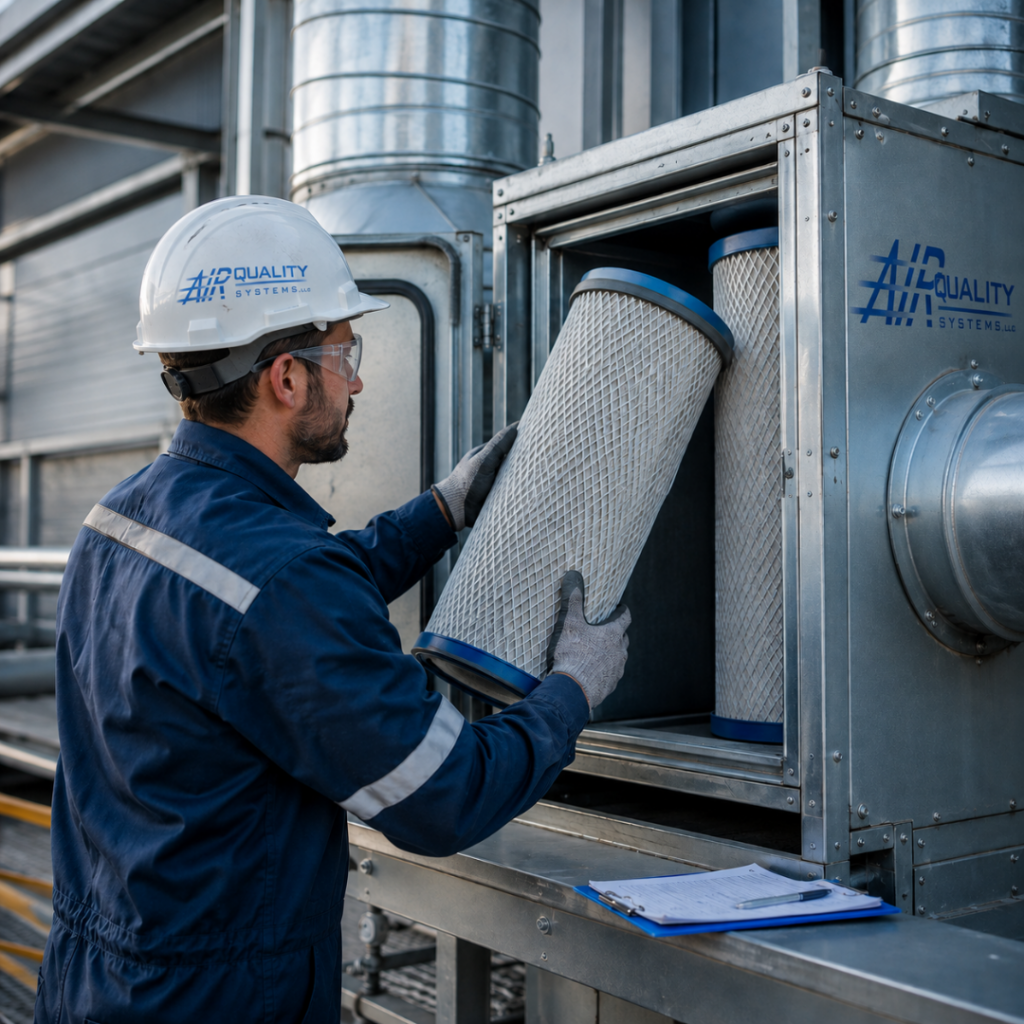
1. Review the Facility
-
We evaluate your current or planned system, including airflow, static pressure, and particle levels. When needed, dust-sample analysis helps guide filter selection for your operation.
2. Define the System and Scope
-
We specify the equipment and explain the proposed installation work. Review the system requirements, ductwork, controls, and project scope with our team before installation begins.
3. Install and Start Up
-
We work with your team through installation and system startup, maintaining continuity from the initial concept to the equipment operating at your facility.
Choose a Team That Supports the System After Installation
Upfront Cost Planning
Receive estimates for installation, operation, and maintenance before the project starts. Consider the ongoing commitment alongside the initial investment.
Authorized Donaldson Torit Dealer
Get equipment recommendations backed by access to Donaldson Torit dust, fume, and mist collection products.
Ongoing Service
Turn to us for inspections, maintenance, troubleshooting, and replacement filters and parts as your system’s needs change.
Discuss Your Installation With Air Quality Systems
Tell us what your facility needs to collect and where the equipment will operate. We’ll help you evaluate the next steps for an installation in Allen, Dallas, or elsewhere in Texas.
Frequently Asked Questions
FAQs
1. How long does an industrial air filtration installation take?
Timing depends on equipment availability, system size, ductwork, and site conditions. The installation schedule needs to reflect the agreed scope and access to the work areas.
2. Will our facility need to shut down during installation?
Some connections or equipment changes may require downtime. Discuss production schedules and access restrictions during planning so interruption requirements can be established for your project.
3. Can existing ductwork be used with a new collector?
Possibly. Its condition, dimensions, routing, and compatibility with the proposed airflow requirements need assessment before deciding what can remain and what requires modification.
4. What should we send when requesting a consultation?
Share your facility location, process, material being collected, and existing equipment details. Photographs, layout drawings, and information about planned machinery changes can help explain the project.